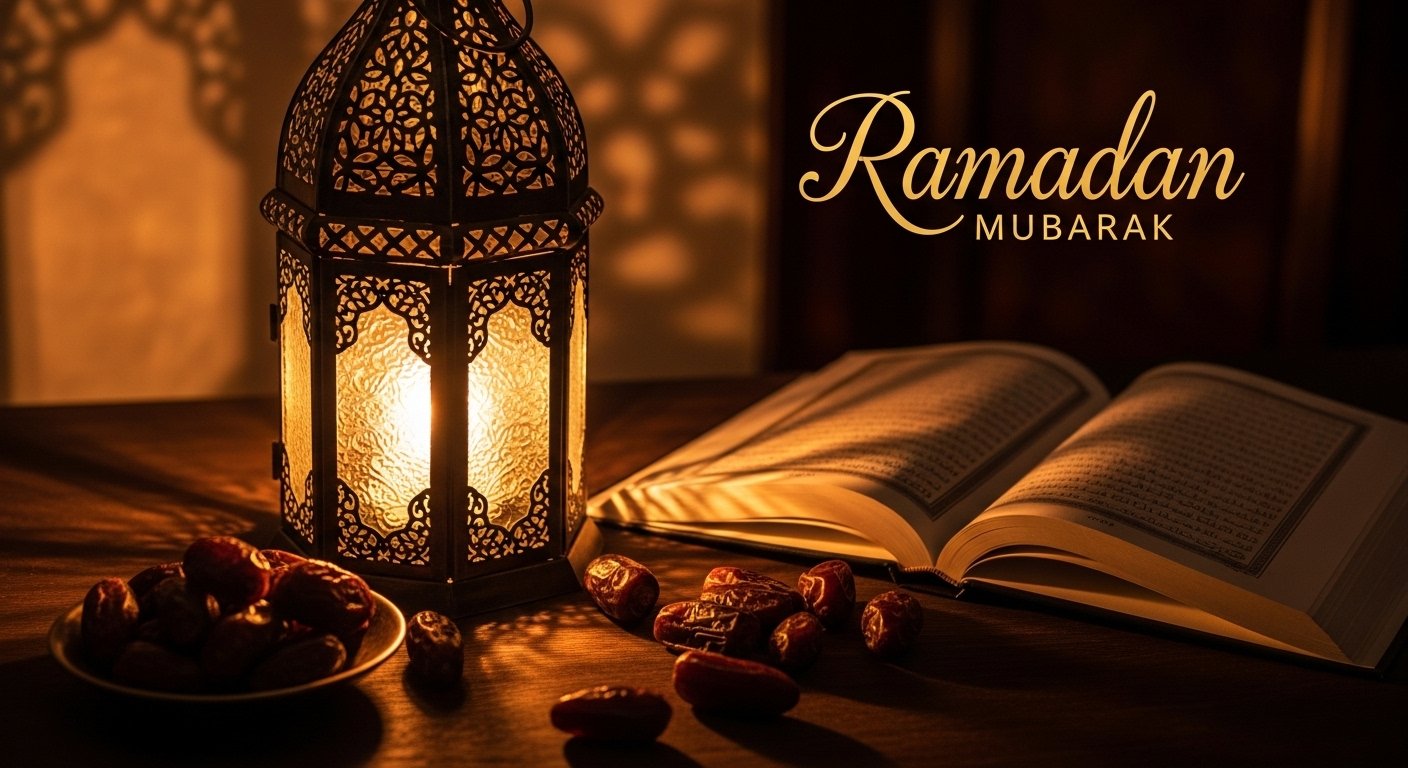
The heartfelt phrase “Ramadan Mubarak” (رمضان مبارك) echoes through Muslim communities worldwide at the start of the holy month. More than a simple greeting, it is a profound supplication and a shared expression of communal joy and spiritual hope. As Ramadan 2026 approaches, let’s explore the deep meaning behind these words and how to observe this blessed time.
What Does “Ramadan Mubarak” Truly Mean?
While commonly translated as “Blessed Ramadan,” the essence of “Ramadan Mubarak” is richer. It is a prayerful wish that the month ahead be filled with divine blessings, acceptance of worship, spiritual growth, and forgiveness. When you say it, you are essentially saying, “May you have a blessed and prosperous Ramadan.”
The appropriate response is “Khair Mubarak” (خیر مبارك), meaning, “May good be blessed (to you as well),” or “Allah yubarak feek/feeki” (الله يبارك فيك/فيكي), meaning, “May Allah bless you.”
Other Common Ramadan Greetings
- “Ramadan Kareem” (رمضان كريم): Means “Generous Ramadan.” It reflects the belief that this month is one of Allah’s immense generosity in mercy, rewards, and bounties.
- Note: Some scholars have a preference for “Mubarak” over “Kareem” for greetings, as the generosity is from Allah, not the month itself. However, both are widely used and understood as well-wishes in the spirit of the season.
The Significance of Ramadan: More Than Fasting
Ramadan is the ninth month of the Islamic lunar calendar, observed by over 1.8 billion Muslims. Its core significance is built on five pillars:
- Fasting (Sawm): Abstaining from food, drink, and worldly desires from dawn to sunset to develop piety (Taqwa).
- The Quran: This month commemorates the revelation of the Quran. Muslims strive to recite and complete the entire scripture.
- Prayer (Salah): Special night prayers called Taraweeh are performed in congregation.
- Charity (Zakat & Sadaqah): Giving to those in need is highly emphasized, especially through the obligatory Zakat al-Fitr before Eid.
- Laylat al-Qadr: The “Night of Power,” better than a thousand months, is sought in the last ten odd nights.
Key Dates for Ramadan and Eid al-Fitr 2026 (1447 AH)
- Projected Start of Ramadan: Wednesday, 18 February 2026 (Subject to moon sighting)
- Laylat al-Qadr: Most likely in the last ten odd nights, with the 27th night projected for Wednesday, 11 March 2026.
- Projected Eid al-Fitr: Thursday, 19 March 2026 (Subject to moon sighting).
Important Note: All dates are based on astronomical calculations for the year 1447 AH. The final, official dates will be confirmed by local moon sighting committees in each country.
How to Share the Spirit of “Ramadan Mubarak”
- Greet Muslim Friends & Colleagues: A simple “Ramadan Mubarak” is always appreciated.
- Be Considerate: Understanding that colleagues may be fasting can foster a supportive environment.
- Participate in an Iftar: Sharing the evening meal to break the fast is a beautiful way to build bridges.
- Give to Charity: Many organizations run special Ramadan campaigns to help the needy.
As we anticipate the sacred month, remember that “Ramadan Mubarak” is an invitation to a spiritual renewal. It is a time for communal unity, self-discipline, and drawing closer to the divine. Ramadan Mubarak to you and your loved ones—may this be your most blessed and accepted Ramadan yet.
For the most accurate and official dates based on moon sightings, please refer to announcements from your local mosque or Islamic center. You can also check the Islamic Calendar at DawateIslami.