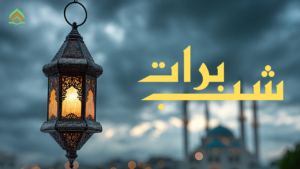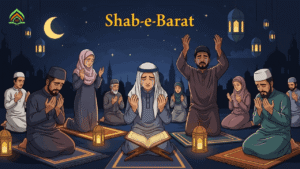
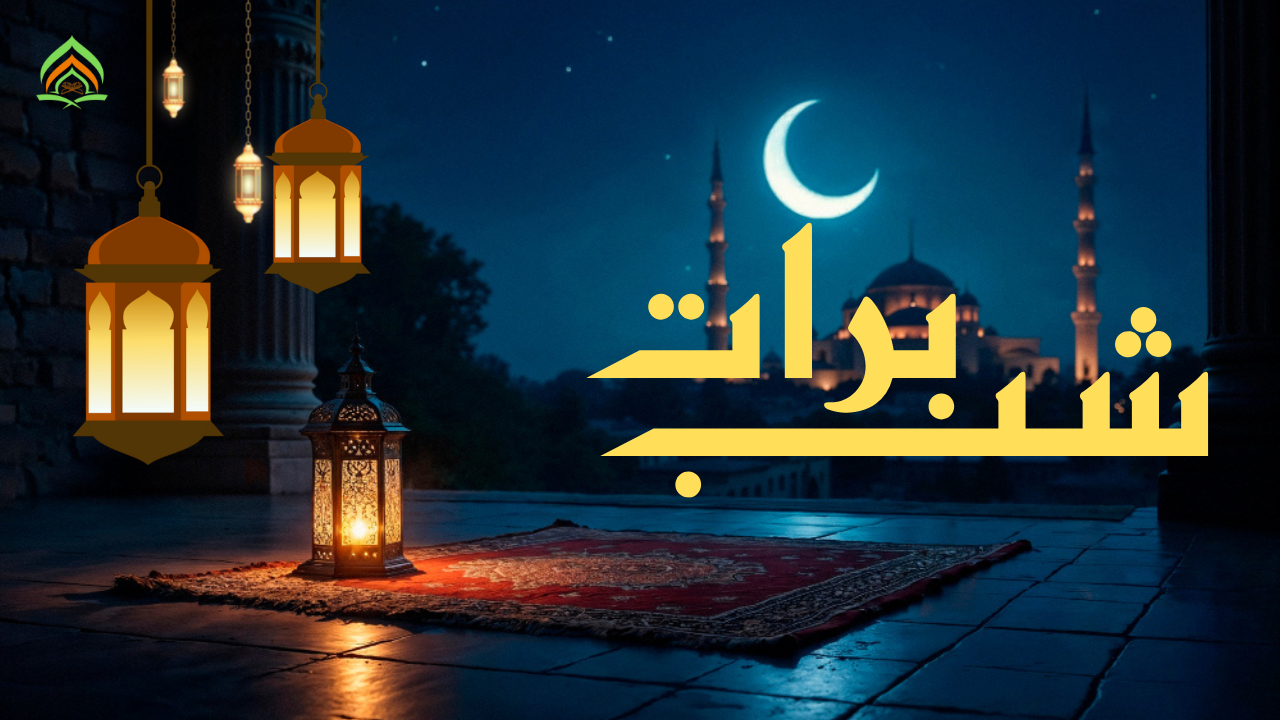
Shab e Barat (شب برات), also known as Laylat al-Bara’ah or the Night of Forgiveness, is a sacred night observed on the 15th night of Sha’ban, the eighth month of the Islamic lunar calendar. This blessed night holds deep spiritual significance for Muslims worldwide as a time of repentance, prayer, and seeking Allah’s mercy and forgiveness.
Meaning and Significance
The term “Shab e Barat” comes from Persian and Arabic:
- Shab/Laylat = Night
- Barat/Bara’ah = Innocence, Salvation, or Forgiveness
Thus, it is “The Night of Innocence” or “The Night of Salvation.”
Key Beliefs About This Night:
- Record of Deeds: It is believed that on this night, Allah determines the destiny of all individuals for the coming year, including life, death, and sustenance.
- Night of Forgiveness: Allah descends to the lowest heaven and grants forgiveness to those who sincerely repent—except those who harbor hatred, cut family ties, or persist in major sins.
- Night of Mercy: Special blessings and mercy are extended to those who engage in worship, prayer, and good deeds.
Hadith References
While there are differing scholarly opinions about specific practices, several Hadith highlight the virtue of this night:
Prophet Muhammad (ﷺ) said: “Allah looks at His creation on the fifteenth night of Sha’ban and forgives all of them except the mushrik (idolater) and the one who harbors hatred (in his heart).”
(Ibn Hibban, authenticated by Albani) Hadith 5665
The Prophet (ﷺ) also said: “When the night of the middle of Sha’ban comes, spend the night in prayer and fast during the day, for Allah descends at sunset to the lowest heaven and says: ‘Is there no one asking for forgiveness, that I may forgive them?…'”
(Sunan Ibn Majah)
Recommended Practices (Sunnah & Traditions)
Muslims are encouraged to spend this night in worship and reflection:
- Night Prayers (Salat al-Layl/Tahajjud): Offering voluntary prayers throughout the night.
- Recitation of the Quran: Particularly Surah Yasin and other chapters.
- Dua (Supplication): Sincerely asking Allah for forgiveness, health, prosperity, and guidance.
- Visiting Graves: To pray for deceased family members (though not a universal practice).
- Fasting the Next Day: Fasting on the 15th of Sha’ban is recommended (Sunan Ibn Majah).
Common Duas for Shab e Barat
General Dua for Forgiveness:
Arabic:
اَللَّهُمَّ إِنَّكَ عَفُوٌّ تُحِبُّ الْعَفْوَ فَاعْفُ عَنِّي
Transliteration:
Allahumma innaka ‘Afuwwun tuhibbul-‘afwa fa’fu ‘anni
Translation:
“O Allah, You are the Most Forgiving, and You love forgiveness. So forgive me.”
Dua for Mercy and Provision:
Arabic:
اَللَّهُمَّ ارْحَمْنِي وَارْزُقْنِي وَعَافِنِي وَاهْدِنِي
Transliteration:
Allahumma irhamni warzuqni wa ‘afini wahdini
Translation:
“O Allah, have mercy on me, provide for me, protect me, and guide me.”
Important Notes & Misconceptions
- Not a “Festival”: Shab e Barat is a night of worship, not a celebratory festival like Eid.
- No Specific Mandatory Rituals: There are no prescribed obligatory prayers or acts; recommended acts are based on Hadith and tradition.
- Avoid Innovation (Bid’ah): Practices like fireworks, extravagant gatherings, or fixed “Shab e Barat prayers” are cultural innovations with no basis in authentic Sunnah.
- Differences in Observance: Some Muslims do not observe Shab e Barat due to differences in scholarly interpretation, while others give it special importance.
Summary
Shab e Barat serves as a profound spiritual reminder of Allah’s infinite mercy and the importance of repentance. It is an opportunity to reset one’s spiritual compass, seek forgiveness for past mistakes, and pray for a blessed year ahead. Whether one spends it in lengthy prayer or simple heartfelt dua, the core message remains: turn to Allah with sincerity, and He is always ready to forgive.
May Allah accept our prayers, forgive our sins, and grant us a night filled with His mercy and grace. Ameen.